
Meet the Team: Veronica Reczek, Senior Vertiport Planner
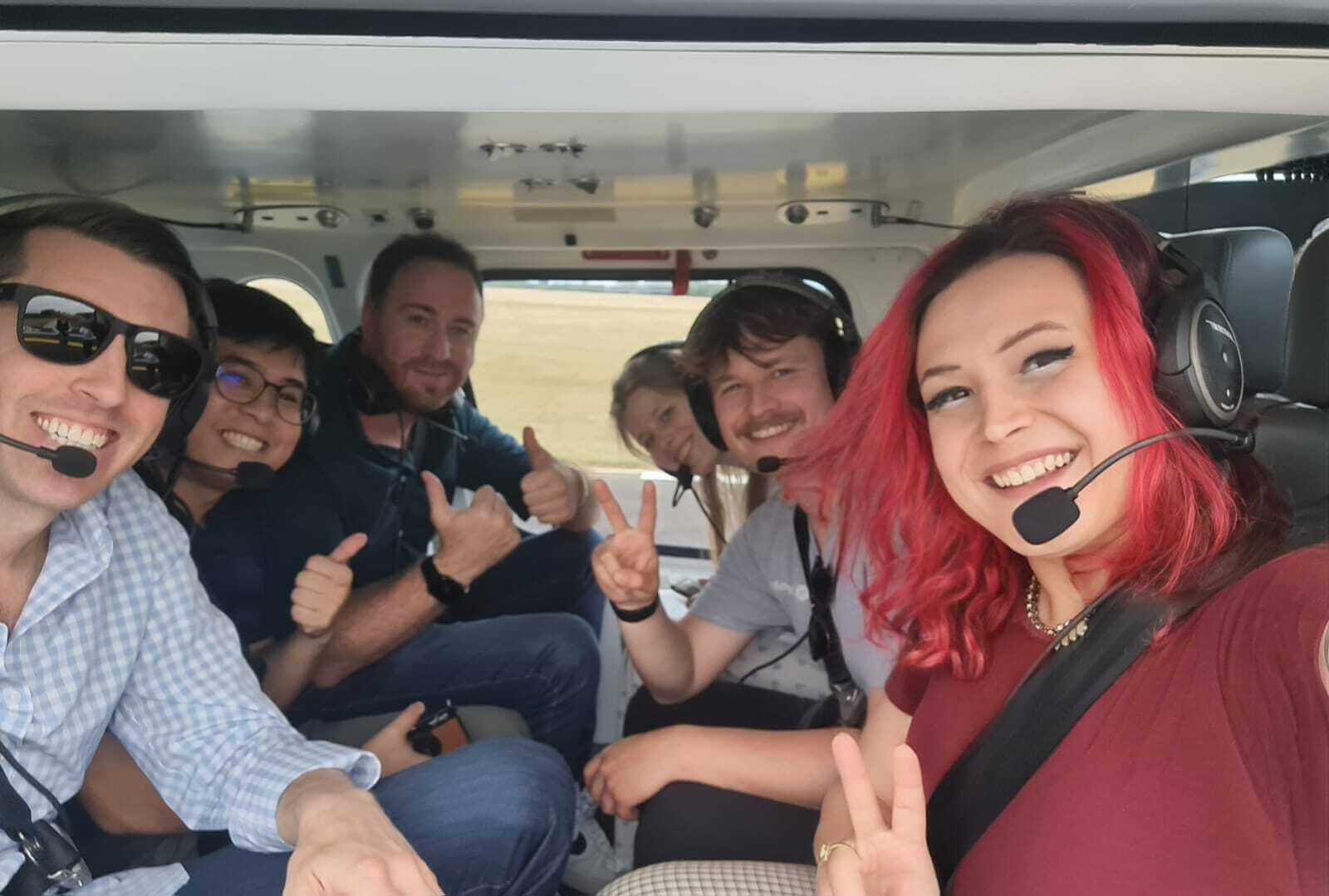
With our vertiports Skyports is pioneering a whole new class of infrastructure. Here we catch up with one of our Vertiport Planners, Veronica, to hear about some of the interesting challenges that come with designing vertiports, some of her top projects, and the work our Women in Skyports group is doing to encourage diversity.
So you’re a vertiport planner – that’s cool! Give us a rundown on what that entails
In a nutshell I’m responsible for turning our vertiports from ideas into functioning pieces of infrastructure, supporting the next generation of electric Vertical Take-off and Landing Aircraft (eVTOLs) that will be taking to the skies in the near future.
Given the often urban nature of our projects, and working with a whole new class of aircraft, there are plenty of challenges. This requires me to be technical, creative, and collaborative all at the same time.
When kicking off a project, I first assess potential sites during our initial site feasibility phase. Based on the outcomes of this assessment, I then oversee early concept development, using technical tools such as AutoCAD and 3D tools to help prototype and visualise ideas. Once the concepts are established, I collaborate with architects, engineers, and consultants to translate these into buildable designs.
As we’re building infrastructure for aviation, there are extra considerations we need to factor into our designs. For example, defining airfield geometry and terminal requirements based on anticipated aircraft throughput, passenger flows and safety.
You don’t meet very many Vertiport Planners. How do you find it?
It’s an unusual job title, that’s for sure, and I was one of the first people in the world to officially hold the job title “Vertiport Planner” back in 2020.
It was pretty interesting in the early days, as there were so many unknowns to what we were creating, and we were having to make intelligent predictions around the technical requirements. But with eVTOLs now coming much closer to reality the field has matured significantly, with real-world vertiports now moving into delivery.
For me it’s been amazing to see something designed on screen get built in real life, and experience firsthand the shift from conceptual to tangible infrastructure.
So how is designing a vertiport different from planning a traditional airport?
So airports are pretty well established pieces of infrastructure, and the fundamentals of their design and requirements haven’t changed significantly in the last 50 years.
Vertiports are a whole new class of infrastructure. We’re having to anticipate and accommodate the predicted performance of eVTOL aircraft that haven’t yet been certified, and make our best estimates on passenger behaviour and assumptions on turnaround times. Ultimately, this means that our vertiport designs require flexibility and adaptability.
Skyports is known for having a strong planning team. How is our approach to vertiport design unique?
The temptation when building a whole new class of infrastructure is to really go all out and create something totally out there. Whilst this will undoubtedly create something eye catching, there’s a danger that practicality is lost.
At Skyports, we have a strong emphasis on serious technical planning and making sure that what we’re creating solves the vertiport challenge to the best of its capability – not just relying on standout design or ideas for the “wow-factor”.
That isn’t to say we don’t have any flair to our designs – I’d see the key strength of our team being our blend of a deep aviation expertise whilst nurturing an innovation-driven mindset.
You’re now leading our APAC planning work – talk to us about the opportunities in the region
There’s some really exciting projects coming out of APAC, and I’ve loved getting involved in and leading this regional expansion from the planning side.
Japan is a country where we’re seeing really strong potential. There’s a very promising foundation to build from with a dynamic and nationally supported ecosystem, and at a regional level there’s lots of engagement – in the last few months we’ve been appointed for our consultancy services in Tokyo, Osaka, Hyogo and Oita, and we’re sure there’s many more to follow.
In Australia we’ve been working directly with Wisk Aero, helping them to develop infrastructure for their autonomous air taxis. For that project in particular I’ve enjoyed working so closely with an OEM, and making sure our infrastructure provides the best possible solution to their environment.
You’re also involved in projects in the Middle East – what are you getting up to out there?
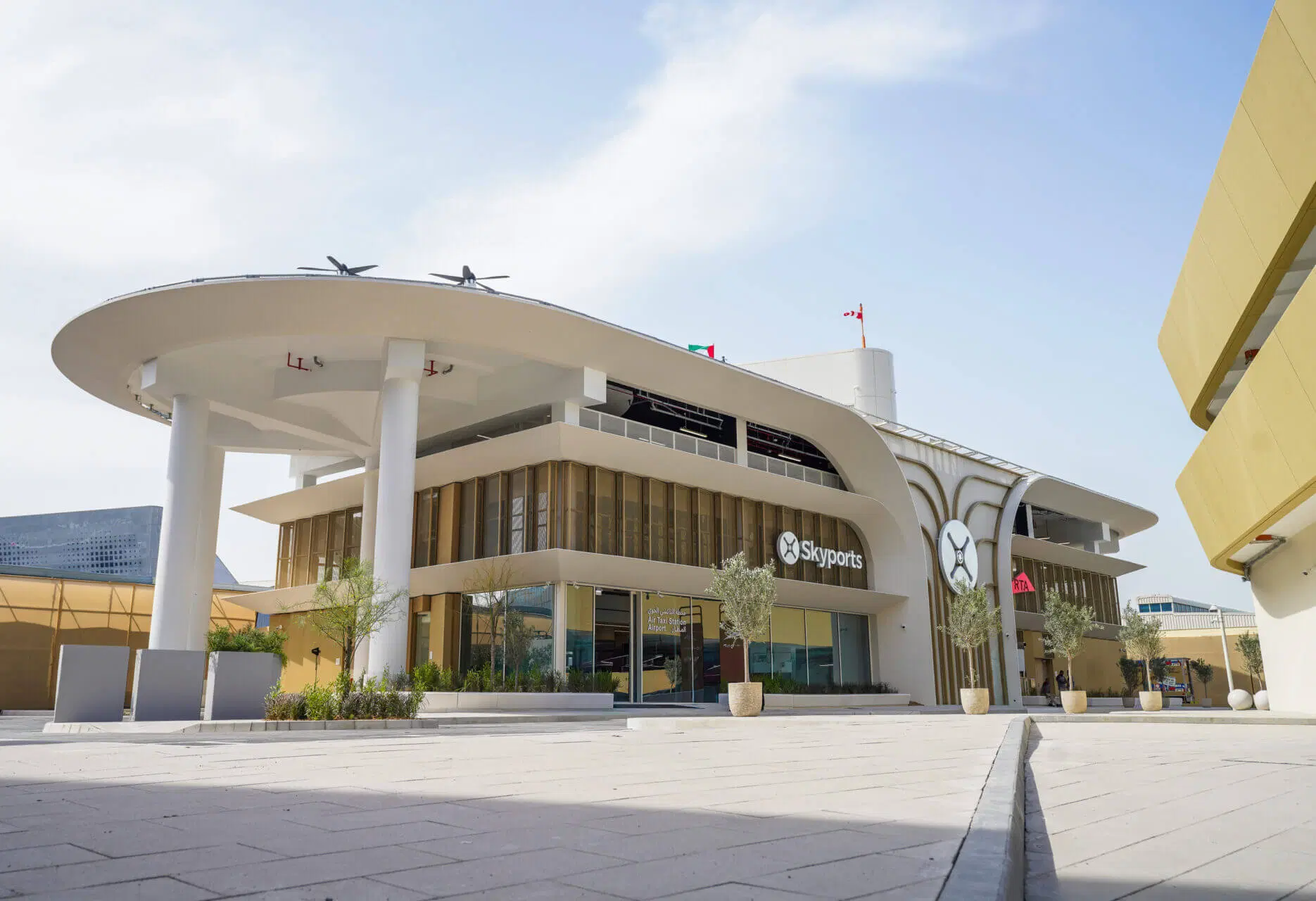
The work we’re doing in the Middle East is super exciting. Dubai is moving towards having the first commercial eVTOL operations in the world, and our planned vertiports are central to making this a reality. So far we have a network of 4 nodes planned, with our first vertiport at Dubai International Airport under construction.
With Dubai as the trailblazer, many of the other emirates are laying their own plans for vertiport networks, and with our proven work in Dubai we’ve become the go-to infrastructure partner.
On the vertiport planning side, this means we have lots keeping us busy. For the current build underway in Dubai, I’m keeping a close eye on the project, making sure it’s all being executed as planned.
For those vertiports still in the planning phase across other markets in the region, we’re collaborating deeply with architects, engineers, and local stakeholders, and ensuring early alignment with planning requirements.
It’s detail-heavy work, but it’s important, as it’s ultimately protecting our operational and regulatory priorities.
You’re a part of the Women in Skyports initiative. What’s the team working on?
The work we do at Skyports straddles both aviation and technology – both of which have long been male-dominated sectors.
Women in Skyports is a great initiative, created and led by Julia Smith Vidal and Emma Hodges from our Drone Services team, who have done an amazing job in driving it forward. It celebrates and promotes our existing female talent while also helping to bring more women into the organisation.
In particular, it works to create inclusive pathways into engineering and aeronautics – fields which women have historically been excluded – while also driving more inclusive and equitable hiring practices.
Achieving a more equal gender balance will take time, and it means tackling deep-rooted cultural barriers, conscious and unconscious biases, and outdated assumptions that persist in the wider aviation and technology sectors. I also feel strongly about fostering LGBTQIA+ inclusion, ensuring that Skyports is welcoming and supportive to all underrepresented groups.
In the meantime, I’m proud to be contributing to making Skyports a more equitable and supportive place to work.
How do you find working in the Advanced Air Mobility space?
As vertiports move from concept to reality, I feel incredibly fortunate to be part of this moment in aviation history.
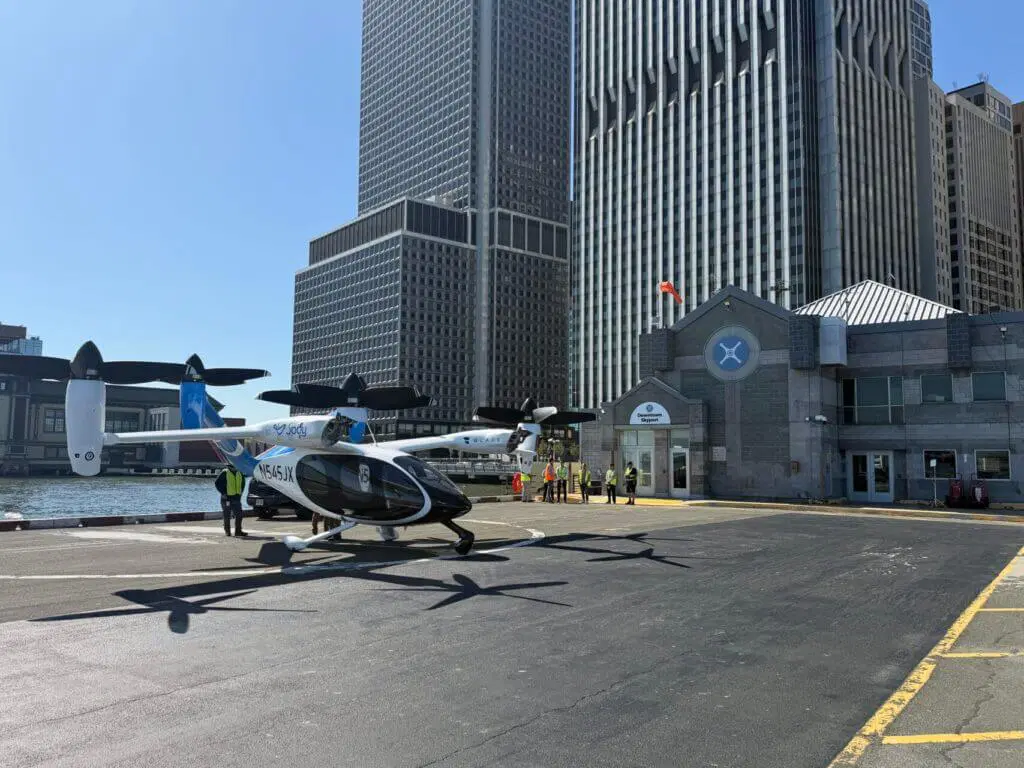
I’m especially excited to see our first operations launch in the Middle East and New York – places where the work we’re doing today will soon take physical form and serve real passengers. We’re not just planning vertiports – we’re shaping the future of aviation, and that’s work worth doing.
At the same time, I hope our industry continues to become more inclusive and equitable. I’ve already seen encouraging signs – more and more women entering engineering, taking on leadership roles, and shaping the future of AAM. It’s something I believe we must continue to champion, because the industry we’re building should reflect the diversity of the world it serves.
More from our network
Explore additional perspectives on urban air mobility


Stay informed always
Join our community
Get the latest updates on urban air mobility and Skyports developments